
Living in a London Studio Flat: What People Store vs Keep
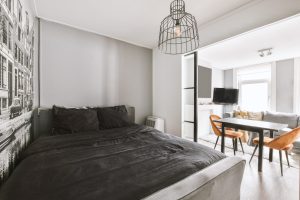
London studio flats are small by design. Most come in at under 40 square metres. You get one...
Whether you flip furniture or resell stock online, storage space becomes a problem fast. This guide covers what sellers actually need to store, how to choose the right unit size, and how to keep costs low while staying organised.


Key Takeaways
Running a side hustle in Birmingham is rewarding — until your home starts looking like a warehouse.
If you flip furniture, resell clothing, or sell goods through eBay, Facebook Marketplace, Vinted, or Depop, you already know the problem. Stock takes over. Tables end up in the hallway. Boxes of packaging sit in the bedroom. Before long, you’re tripping over inventory instead of making money from it.
Self storage offers a straightforward fix. For side hustle sellers across Birmingham and the wider West Midlands, a storage unit gives you the extra space to separate your business from your home — and room to actually grow.
Birmingham’s resale scene has grown steadily. More people are turning buying and flipping into a genuine second income, selling across eBay, Depop, Vinted, and Facebook Marketplace. Many are operating out of flats or terraced houses in areas like Digbeth, Erdington, and Selly Oak — homes that were never designed to double as a stockroom.
The problem isn’t ambition. It’s space.
Limited home storage, growing inventory, and the need to keep business and personal life separate all point to the same solution. A self storage unit gives you the infrastructure to run a proper small business without sacrificing your living space. And as your operation scales, your storage space can scale with it.
This is why business storage solutions have become a practical tool for side hustle sellers — not a luxury, but a working part of the operation.
Most side hustles start at home. That’s fine when you’re selling a few items a week.
But scale up, and things get complicated fast. A piece of furniture you picked up at auction sits in the living room. Another is in the garage. A third is blocking the car. You’re managing a small business from a domestic space that was never designed for it.
You lose track of stock. Items get damaged. You run out of room to photograph products properly. Customers ask about availability, and you’re not entirely sure what you have.
For many sellers, this is the point where a side hustle either stalls or gets properly set up. If you’re also navigating a home move or life change alongside this, this guide on what to do with your belongings when life changes covers how storage fits into those transitions.
Furniture flippers face this challenge more acutely than most. A dining table, a wardrobe, a set of chairs — these aren’t small items. One bulk purchase can fill a room. If you’re serious about scaling, your home simply won’t cut it.
The list of what resellers and flippers store varies, but there are common patterns.
A self storage unit does more than free up storage space at home. It changes how you run your operation.
For online sellers running stock-heavy operations, self storage for online businesses covers how to structure your setup from the start.
Getting the unit size wrong is the most common mistake new sellers make.
Birmingham storage facilities offer units from as small as 10 sq ft up to over 2,000 sq ft, so there’s no shortage of options. For most side-hustle sellers, the practical ra nge is between 40 and 160 sq ft.
Some facilities can accommodate up to 300 boxes of stock across their unit range, which puts the scale in perspective. Always measure your largest items before booking. A full storage unit size guide helps you avoid overpaying for space you don’t need or undershooting and running out of room on day one.
Side hustles don’t always grow in a straight line. Some months you buy big; others you run lean.
Short-term storage works well if you’re testing the business model or managing a seasonal spike. Many Birmingham facilities offer flexible terms with no lengthy contracts. Long-term storage tends to come with better rates — and it’s worth asking about introductory offers. Several providers offer 50% off for the first eight weeks, which helps keep early costs down while you find your feet.
Location affects both cost and convenience.
Storage units near Birmingham city centre cost more per sq ft than those in surrounding areas such as Erdington, Kings Heath, or Smethwick. If you need regular access — daily or a few times a week — proximity to your home or key routes matters. If access is occasional, a unit slightly outside the centre can save money without much inconvenience.
Think about how you’re loading and unloading, too. Drive-up units let you pull a van directly up to your unit — a practical advantage when you’re moving heavy furniture or large volumes of stock. Several Birmingham facilities offer this, so it’s worth filtering for it when comparing options.
If you’re reaching the point where your home can’t keep up with your stock, comparing storage options early helps you avoid rushed decisions later.
A storage unit only helps if you can find things quickly. Poor inventory management creates the same problem as a cluttered home.
A few habits make the difference.
For a broader look at choosing the right provider, this guide to choosing a business storage provider covers what to ask before you sign.
The way you think about storage shapes how you use it.
Sellers who see it as a cost tend to underspend, get the wrong size, and end up frustrated. Sellers who treat it as a business tool — part of their operation — use it properly and grow faster because of it.
A storage unit in Birmingham gives you the infrastructure to run a real business. Not a side hustle crammed into your spare room, but a structured, scalable operation with space to buy stock, process it, store it, and dispatch it efficiently.
That’s the difference between a hobby and a business.
A 50–100 sq ft unit works for most furniture flippers with a few pieces in rotation. If you buy in bulk or hold larger items like wardrobes and dining sets, a 160 sq ft unit gives you more practical working room. Birmingham facilities offer units from 10 sq ft upwards, so you can start small and scale as needed.
Policies vary by facility. Some allow light work, such as cleaning and minor repairs; others don’t permit sanding, painting, or the use of power tools. Check with your chosen facility before assuming you can use it as a workshop.
Prices typically range from around £30–£80 per month for smaller units, with larger units costing more depending on location and amenities. Units closer to Birmingham city centre cost more than those on the outskirts. Several providers offer introductory discounts — 50% off for the first eight weeks is available at more than one facility.
For wooden furniture, it’s worth considering. Fluctuations in temperature and humidity can cause warping, cracking, or mould over time. If you’re storing sensitive stock or electronics alongside furniture, a climate-controlled unit protects everything more reliably.
Yes. Many online sellers use self storage as a dedicated storage space for their inventory. Regular access, secure units, flexible month-to-month contracts, and delivery acceptance services make it practical to manage business stock without the costs of commercial premises.
A side hustle in Birmingham can grow into something real — but not if your home is doing the heavy lifting.
Storage gives you the separation, security, and flexibility to run your operation properly. You stop making decisions based on what fits in your spare room and start making them based on what actually makes business sense. Your inventory is organised. Your home is yours again. And when demand picks up, your storage space grows with you.
Whether you’re flipping one piece of furniture a week or managing dozens of orders across multiple platforms, the setup is the same: get the right unit size, choose a location that works for your routine, and treat your storage space as part of the business — not an afterthought.
Use WhatStorage to compare self storage options across Birmingham. Filter by location, unit size, and price to find the right fit without spending hours calling around.



Get the Best Quotes on Your Move Today!
Get quotes quickly and easily from a removal company near you
Michaela Pinga is a content manager and writer specialising in self storage and moving across the UK. With a background in both digital marketing and filmmaking, she brings a uniqe, clear, and...