
Why Renters Use Storage More Than Homeowners in the UK
Storage for renters is not a niche product. It is one of the most common uses of self...
Brighton's coastal air, damp winters, and converted Victorian flats do things to your belongings that most storage guides don't account for. This is what living in Brighton actually does to your stuff, and what to do about it.

Key Takeaways
Brighton isn’t like most UK cities. The sea air, the damp winters, the converted Victorian flats — all of it shapes how people live here, and more specifically, what happens to their belongings over time.
This guide is for Brighton residents who’ve noticed mould on a jacket, rust on a bike, or who’ve simply run out of room. It covers why coastal conditions in East Sussex make self storage a practical necessity, what items are most at risk, and how to find the right storage solution without overpaying.
If you’re already looking for options, you can compare storage in Brighton to see unit sizes, opening hours, and prices near you.
Living next to the sea sounds appealing — until you see what salt air and humidity do to your belongings.
Brighton sits on the South Coast, and the air carries moisture year-round. Even on dry days, humidity levels here are higher than in inland areas further into East Sussex or West Sussex. That moisture gets into everything: wooden furniture warps, metal surfaces corrode, fabrics absorb dampness and develop mould.
The problems aren’t dramatic or sudden. They build quietly, often over a single winter, until you open a wardrobe and find a jacket covered in black spots — or pull a bike out of the hallway and find the chain seized with rust.
The average relative humidity in Brighton hovers between 70–80% through autumn and winter. That’s high enough to damage furniture, clothing, and electronics stored in a poorly ventilated flat.
Condensation forms on cold walls. In older properties, exterior walls stay damp for much of the year. Storing items against these walls — which is common when space is limited — creates the conditions for mould growth without anyone realising it.
A 2023 survey by the UK Self Storage Association found that 38% of new storage renters cited damp and limited space as their primary reason for getting a unit. In coastal cities like Brighton, that figure is likely higher.
Salt particles in the air accelerate rust and corrosion on metal surfaces. Bikes, tools, garden furniture, instrument hardware, and even zip pulls on bags are all vulnerable. If metal fixtures in your flat look worn faster than they should, this is why.
Items stored in hallways or near external doors are most exposed. Outdoor storage — sheds, communal areas, back passages — offers very little protection from salt-laden air this close to the seafront.
Upholstered furniture, clothing, books, and wooden items are particularly at risk. Mould spores thrive in damp, still air — exactly the conditions inside a packed wardrobe or a spare room with no airflow.
Wood absorbs moisture and expands, leading to warping, cracking, or lifting joints. Fabric items develop mould that becomes impossible to fully remove. Neither problem shows up immediately, which is why people often discover the damage too late.
The mix of items Brighton residents put into self storage reflects how the city actually works.
Seasonal sporting equipment is a consistent category. Surfboards, wetsuits, paddleboards, and kayaks take up significant floor space and don’t belong inside a one-bedroom flat between October and April. Bikes — which rust quickly in coastal air — are another common item. A single bike taking up the hallway of a shared flat is a familiar Brighton problem.
Household goods and furniture come in from people moving between rentals or downsizing. Solid wood pieces in particular are worth protecting, since humidity causes warping and cracking over months, not years. Getting household goods into a dry, climate-controlled unit stops that process entirely.
Seasonal clothing is regularly stored. Brighton’s fashion culture means many residents have more clothes than their flats accommodate. Rotating wardrobes — keeping off-season pieces in storage — is a practical solution when built-in storage is minimal.
Business storage is increasingly common. Brighton has a large freelance and creative community, and business items — photography kit, printing supplies, sample stock, trade tools — need dry, secure conditions that most flats don’t provide. A dedicated self storage unit handles business stock without the cost of renting a workspace.
Brighton’s housing stock is mostly old. A large proportion of the city’s homes are Victorian or Edwardian terraces converted into flats — often with minimal built-in storage. These properties weren’t designed for the volume of belongings people accumulate today.
There are rarely lofts accessible to individual tenants. Garages are uncommon in central Brighton. Most flats have one or two built-in wardrobes and little else. Under-bed space fills quickly, and hallways become the default overflow area.
Shared houses are common across Hanover, Kemptown, Elm Grove, and Preston Park. In these setups, each person’s storage space shrinks further. Four people sharing a house might each have one wardrobe and a corner of the shed.
If you’re working on making space at home and running out of options, a self storage unit removes the pressure of fitting everything into limited square footage.
Storage for flatshares is an increasingly practical storage solution for people in shared living situations — and it applies directly in Brighton where space per person is often tight.
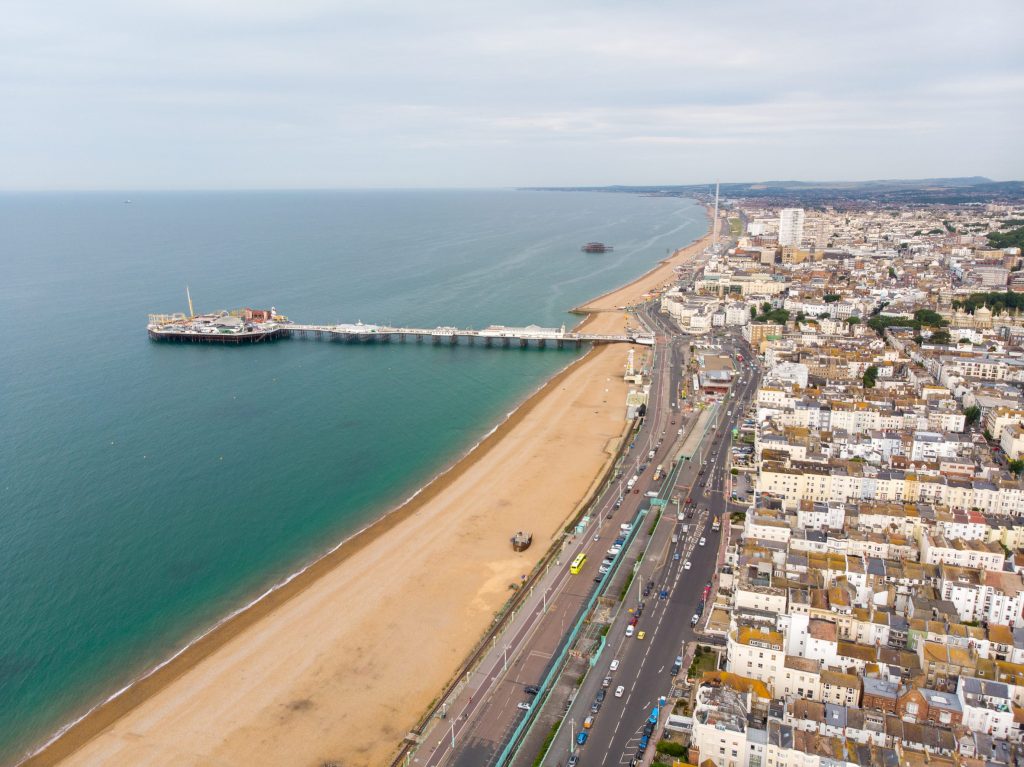
Brighton’s population fluctuates more than most cities. Summer brings a temporary influx of visitors, short-term lets increase, and some residents need to clear space quickly. Proximity to Brighton Palace Pier and the Royal Pavilion keeps the city busy year-round, but the summer peak puts real pressure on housing.
Student storage is a significant part of this pattern. Students from the University of Brighton and Sussex University leave at the end of each academic year. Rather than transporting everything home or leaving personal items in a shared house over summer, short-term self storage is the simpler option — and cheaper than paying rent on a room you’re not using.
The coastal lifestyle also creates seasonal patterns around equipment. Wetsuits and surfboards are redundant through winter. Garden furniture that was fine in July becomes a mould risk by November if stored in a damp hallway or shed.
Flexible rental agreements suit this rhythm well. Many Brighton self storage facilities offer monthly rolling contracts, which works for people managing tenancy end dates, seasonal routines, or situations that don’t fit a fixed timeline.
There are specific points where using storage stops being optional and becomes the obvious answer.
The clearest trigger is active damp damage. If you’ve found mould on stored clothing or noticed wooden furniture beginning to lift or crack, keeping those items in your flat is making things worse. Getting them into a dry, secure unit at a Brighton storage facility stops further damage and preserves what’s left.
Moving house is another common trigger. Brighton’s rental market moves quickly, and tenancy gaps happen. Not every new property is ready when your current one ends. Self storage gives you somewhere to put your belongings without rushing decisions or cramming everything into temporary accommodation.
When life changes unexpectedly — a relationship ending, a job change, a family situation — the need for storage appears quickly. There’s practical advice on what to do with your belongings when life changes if you’re in that position.
Running out of physical space is also a straightforward reason. If belongings are stacked in the hallway, stuffed under beds in bags, or taking over shared communal areas, you’ve exceeded what the flat can realistically hold.
Not all self storage units are the same, and in a coastal city, the environment matters.
For wooden furniture, upholstery, electronics, clothing, and documents, a climate-controlled unit is worth the additional cost. The goal is stable temperature and humidity — conditions that prevent the mould and warping that Brighton’s damp air causes at home.
If you’re storing metal items like bikes or tools, a dry indoor unit is preferable to an outdoor container facility. Salt air reaches container storage more easily, and fluctuating temperatures accelerate rust.
Brighton self storage facilities are spread across the city. Units along Crowhurst Road in Hollingbury and off South Road tend to offer more space at lower prices than city-centre locations. For regular access to business stock or personal items, choose a facility close to where you live or work. For long term storage of seasonal items, a slightly further location often makes financial sense.
Check opening hours before committing. Some Brighton self storage facilities offer 24-hour access for customers who need to retrieve items outside standard hours — useful for traders restocking business items or anyone with an irregular schedule.
Some Brighton storage services include free collection, where items are collected and the team handles all the heavy lifting. This is worth considering if you don’t have van hire arranged or are moving bulky furniture and boxes.
The right unit size depends on what you’re storing. A small unit handles a few boxes and seasonal items. A 35 sq ft unit holds the contents of a one-bedroom flat. A 50 sq ft unit works well for two bedrooms’ worth of household goods, or a mix of furniture, sports equipment, and boxes. Working out how much space you need before booking avoids overpaying for space you won’t use.
Most Brighton self storage facilities provide an instant quote based on your items. A friendly, knowledgeable team can guide you on unit size without pushing you toward something larger than you need.
Flexible unit sizes and flexible contracts mean you’re not locked into a long term commitment if your needs change. Look for clear pricing with no hidden charges — most reputable Brighton self storage facilities are upfront about costs from the start, making it a genuinely cost effective service.
Prices for self storage in Brighton vary by unit size, location, and amenities. Comparing storage options before committing is the best way to find an affordable setup that fits your situation.
Leaving moisture-sensitive items in a damp flat because you haven’t yet sorted storage is the most common mistake. Damage from mould or rust builds quietly, and by the time it’s visible, some items are beyond saving.
Poor packing inside a unit causes problems too. Placing items directly on the floor, pressing fabric against unventilated walls, or stacking boxes without thought all increase risk. Use shelving where possible, wrap wood and upholstery in breathable covers, and keep items off the ground.
Waiting too long is another pattern. People often wait until moving house or a clear-out forces the issue, rather than acting when they first notice damp affecting their belongings. There’s no need to worry about the commitment — flexible terms mean you’re not locked in, and getting started is straightforward.
For short-term bedroom storage ideas, solutions can help. But for items genuinely at risk from Brighton’s coastal conditions, or simply not fitting in your flat, a secure, dry Brighton self storage unit is the more reliable answer.
Do I need climate-controlled self storage in Brighton? For wood, upholstery, electronics, clothing, and documents, yes. Brighton’s coastal humidity is high enough to cause mould and warping, particularly in older East Sussex flats with poor ventilation. Climate control keeps conditions stable and prevents damage accumulating over time.
What size storage unit do I need in Brighton? A 35 sq ft unit holds the contents of a one-bedroom flat. A 50 sq ft unit suits two bedrooms’ worth of household goods, or a larger mix of furniture and equipment. If you’re storing just a few boxes and seasonal items, a smaller unit works well. Get an instant quote from a Brighton self storage facility to confirm the right size.
How much does storage in Brighton cost? Prices vary by location and unit size, but expect to pay roughly £30–£80 per month for a small to medium unit. Brighton storage facilities with clear pricing and no hidden fees make it easier to budget. Comparing options online helps you find the best rate without visiting multiple sites.
Is outdoor container storage suitable for coastal areas? Not for moisture-sensitive items. Container storage provides less protection from humidity and salt air than an indoor Brighton storage facility with climate control. For furniture and clothing, choose an indoor unit. For bikes or seasonal kit where some wear is acceptable, outdoor storage is a lower-cost option.
How long do Brighton residents typically rent storage? Student storage in Brighton typically runs 3–4 months over summer. People moving house usually need 1–3 months. Those downsizing or dealing with a life change tend to use long term storage for 6–12 months. Most Brighton self storage facilities offer flexible contracts with no long term commitment required.



Get the Best Quotes on Your Move Today!
Get quotes quickly and easily from a removal company near you
Michaela Pinga is a content manager and writer specialising in self storage and moving across the UK. With a background in both digital marketing and filmmaking, she brings a uniqe, clear, and...